Books and courses

I offer different types of training: lectures, brainstorming sessions and webinars.
Lectures and brainstorming sessions
Lectures are mainly for those who live with children and teenagers and those who work with children and families in various ways. I am happy to speak at schools and preschools, for both staff and parents.
But I also lecture in other businesses and companies where you want to develop leadership and relationship skills, either towards their customers or within the organization.
I also lecture at training courses of various kinds. Since my goal is always not only to convey theories, but also to provide an experience and concrete tools to take home, my lectures are interactive and practical.
Idea sessions are a kind of lecture where my thoughts and ideas are mixed with the participants’ experiences and experiences, so that together we create new knowledge and go home with new ideas. I work with the questions that the group has, and let the participants both listen, actively participate in conversations, and reflect themselves, to bring home concrete ideas.
Webinars
Each semester, I offer webinar series where participants can immerse themselves in a theme in three or four two-hour sessions. Currently, I give webinars in creative family conversations, Safety Stories and Third Culture Kids. Workplaces and organizations can also request themes for webinars. The cost of a webinar series of three sessions is SEK 800 excluding VAT (four sessions SEK 1200 excluding VAT) per participant. Discounts are available if several people from the same workplace participate, and to students.
In spring 2024, a webinar on Safety stories on March 4, and if Third Culture Kids on February 9. For registration and information write to ulrika.ernvik@gmail.com.
Themes for lectures, brainstorming sessions and webinars can be
- joy and security in relationships
It is so easy to hurt each other in close relationships. Why are we so vulnerable to rejection? How do we bring joy and security? For those who want to develop and strengthen their relationship with their partner, but also for those who want to have a better relationship with adult children, parents, siblings, colleagues, employees or members of an association. - safe adults
Children need access to safe adults. How do we make ourselves available? How do we understand what children and teenagers need? What do we do when they don’t want to be with us? What is safety? What is a safe adult like? - secure attachment
How can we build a secure attachment with a child who was not in our care from the start? How can professionals support parents, foster parents and other key adults to offer a secure attachment to their children? - there is always a reason!
Sometimes children and adults alike act in ways that make us afraid, angry, sad, resigned. But behind every action there is a reason. How do we find it so that healing can happen? - conflicts – a gift!
Conflict does not have to mean the end, conflict can be the beginning of a closer and more complete relationship, whether for a couple, parent – child, or in a group. - leading myself to lead others
Parents and teachers, managers and supervisors, priests and pastors, all share a common challenge: leading others. What makes a leader? How do I become a good and clear leader? How do I lead myself in order to lead others? - interpersonal neurobiology
Research over the last two decades has given us so much new knowledge about the brain, our autonomic nervous system and much else that helps us understand how important secure relationships are to our development and well-being. As we learn about how amazing we are, we also learn more about what we can do to promote and strengthen secure relationships. - creative family conversations
How can we talk to children and families in assessment and treatment so that the conversation is helpful for both children and adults? What do we need to think about so that everyone feels safe? What creative methods can we use so that everyone has the opportunity to express themselves? - children and trauma processing
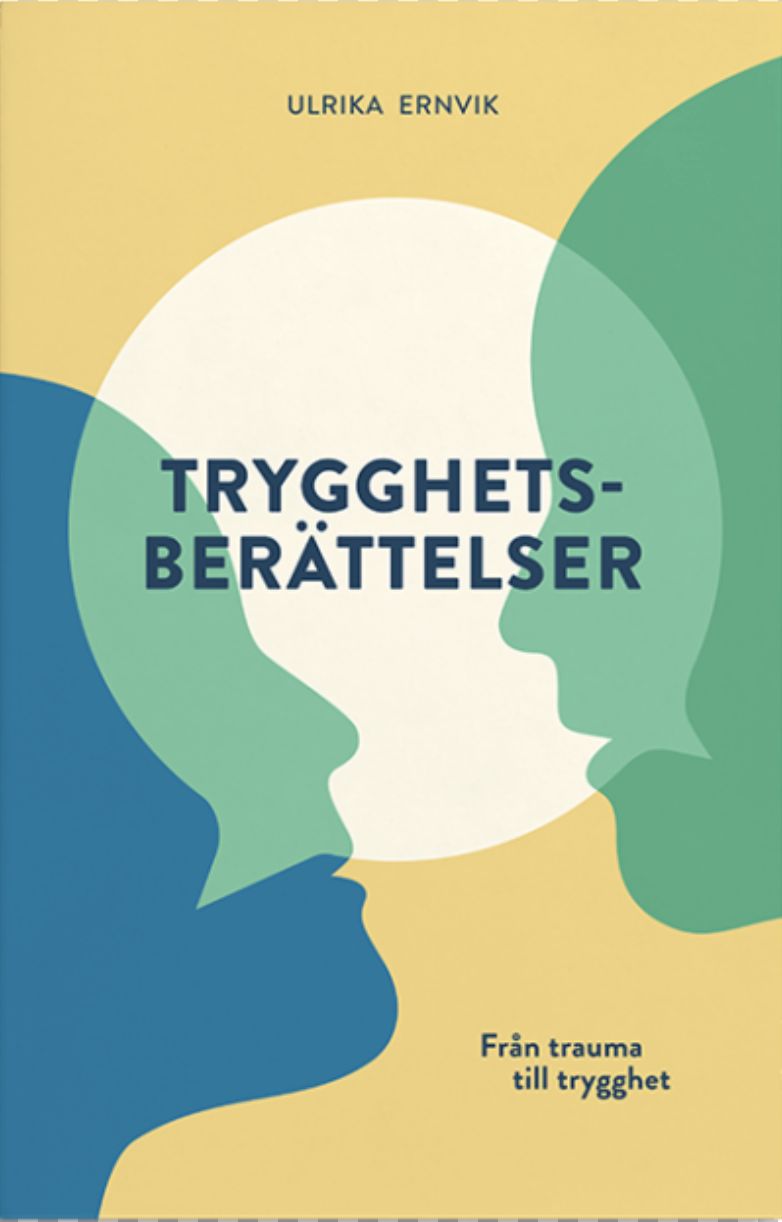
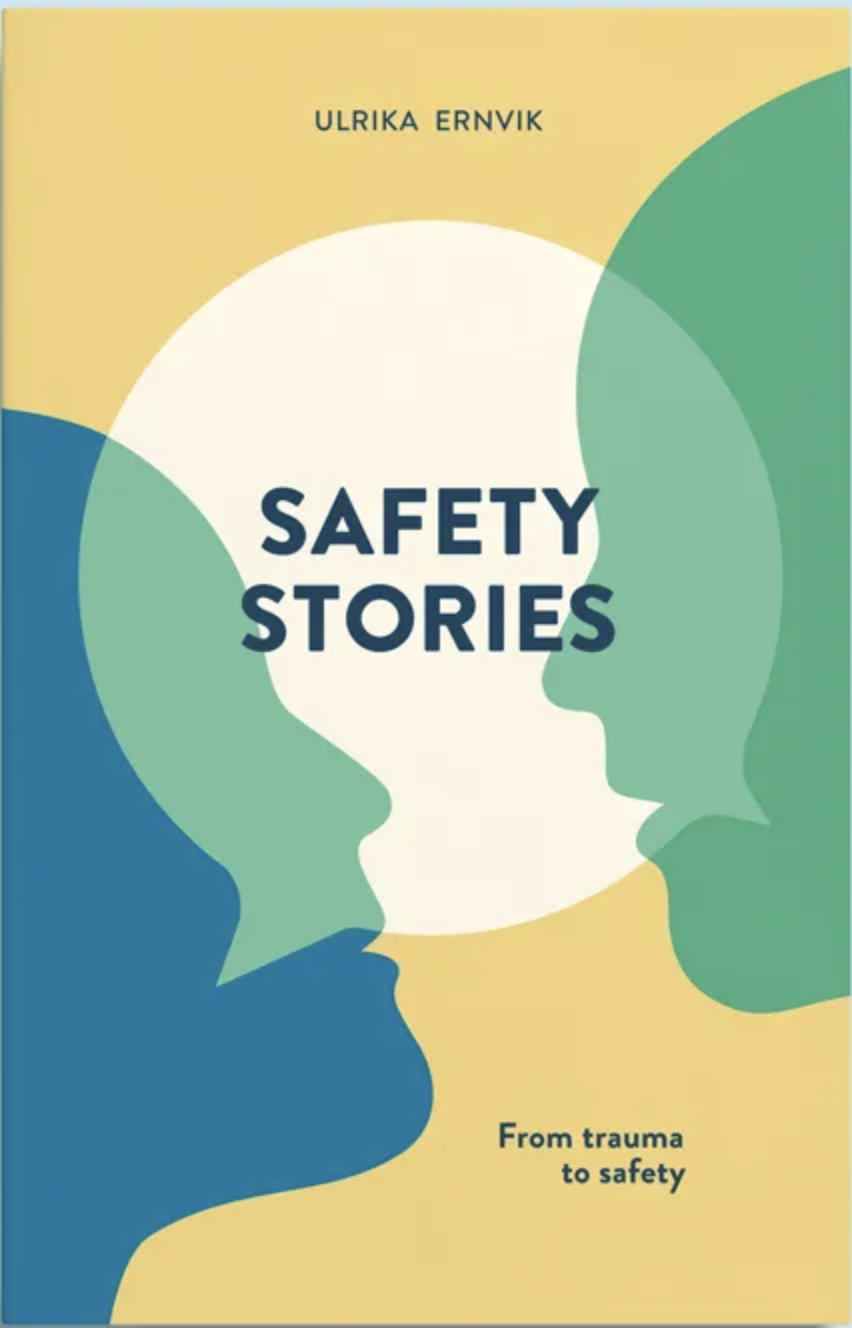
More adults need to know about trauma, how it affects children, and how they can understand and help children. Based on the knowledge and research that exists, I have developed a model that I call Safety Stories, which can be used by parents, foster parents, residential staff and other professionals to help traumatized children. - being a TCK – Third Culture Kid
More and more children are growing up in multiple cultures – some move with their parents between countries, some grow up in a family originating from one culture while living in another, some have parents from different cultures. Growing up in the midst of multiple cultures is a gift and a richness, and influences our identity. How can adults support children to build a multicultural identity? - nature – a breathing space
Nature and movement are crucial for our physical and mental health, for our relationships and our well-being. How do we shape a lifestyle and workplace where time in and with nature is woven into our daily lives? - ecopsychotherapy
What makes us feel better in nature and why is a deeper relationship with nature important for our well-being? How can we offer psychotherapy in and with nature? - Christian psychotherapy
Many Christians are asking for Christian psychotherapy. What is Christian-based psychotherapy? How do we weave existential questions into psychotherapy, and how do we help those who want to develop and deepen their relationship with God? Is it possible to weave pastoral care and spiritual guidance into psychotherapy?
Said about Ulrika:
“Ulrika has the ability to calmly and confidently give words and insights to experiences many can recognize themselves in, even if you have never formulated them for yourself. Ulrika conveys a loving atmosphere that helps the listener to absorb the subject matter and begin to reflect on their own life patterns. Everyday and easy-to-understand images and stories support Ulrika’s presentation and give the listener opportunities for recognition. Ulrika expresses a low-key professionalism that gently and pedagogically supports the listener in a healing inner journey.”
Berit Carlström
“When I listen to Ulrika, I feel like a good mom. She talks about herself in a way that makes me realize that I’m not as bad as I think, I actually do a lot of things that are good. It gives me the strength to try new ways in my parenting.”
A mom